Synopsis:
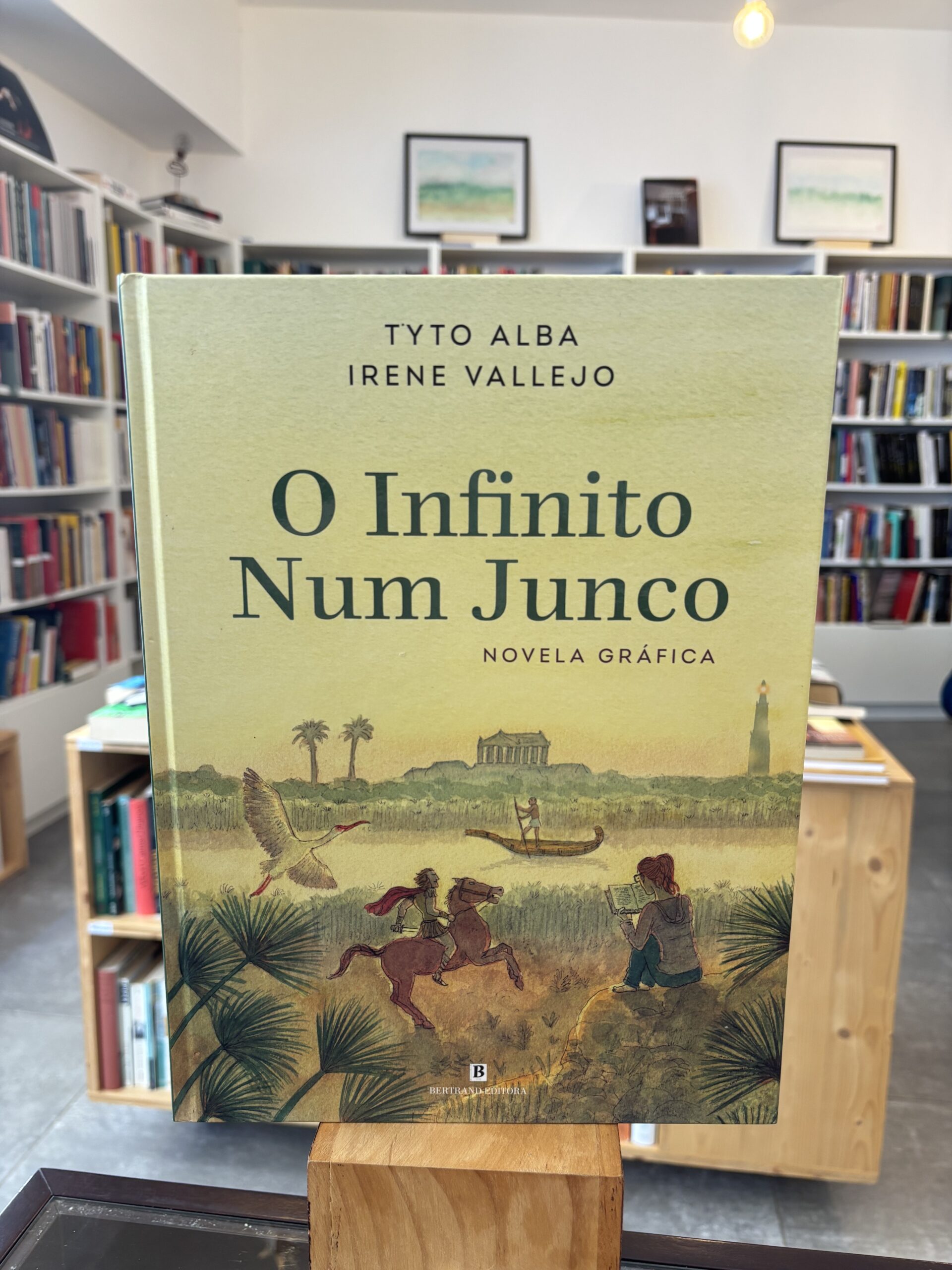
The Invention of the Book in Antiquity and the Birth of the Thirst for Books.
This is a book about the history of books. A narrative of that fascinating artifact we invented so that words could travel through time and space. It is the account of its birth, its evolution, and its many forms over more than 30 centuries: books of smoke, stone, clay, papyrus, silk, skin, wood, plastic, and now, plastic and light.
It is also a travel book, with stops at the battlefields of Alexander the Great, the Villa of the Papyri hours before the eruption of Vesuvius, Cleopatra's palaces, the scene of Hypatia's murder, the first known bookstores, the scribes' cells, the bonfires where forbidden books burned, the gulags, the Sarajevo library, and an underground labyrinth in Oxford in the year 2000.
This book is also an intimate story interwoven with literary evocations, personal experiences, and ancient stories that never lose their relevance: Herodotus and alternative facts, Aristophanes and the lawsuits against comedians, Livy and the phenomenon of fans, Sulpicia and the literary voice of women.
But above all, it is a thrilling collective adventure, starring thousands of characters who, over time, made the book possible and helped it transform and evolve – storytellers, scribes, illustrators and illuminators, translators, booksellers, teachers, sages, spies, nuns, rebels, slaves, and adventurers.
It is with fluency, curiosity, and a constant sense of wonder that Irene Vallejo recounts the adventures of this improbable object that keeps our ideas, discoveries, and dreams alive. And, in doing so, she also tells our story as avid readers from all over the world who keep the book alive.
One of the best books of the year according to the newspapers El Mundo, La Vanguardia, and The New York Times (Spain).